

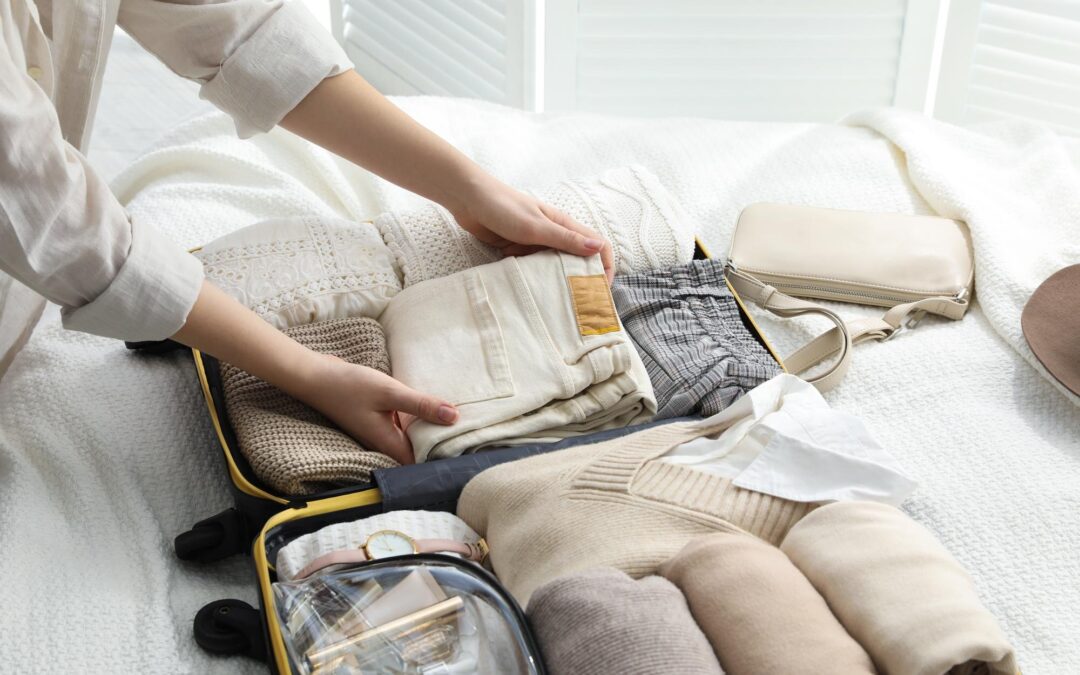
Match Your Bag to Your Itinerary: The Easiest Way to Stop Overpacking
Most travelers pack like they’re preparing for every possible scenario—and end up lugging around way too much. You don’t need a suitcase stuffed with “just in case” items to enjoy your trip. By learning how to match your bag to your itinerary, you’ll pack smarter, move lighter, and skip those annoying fees. Let’s walk through a simple, practical travel packing strategy that fits your trip’s length, activities, and climate without overpacking. Check out these packing hacks to stop overpacking to streamline your travel preparations.
Choose the Perfect Bag
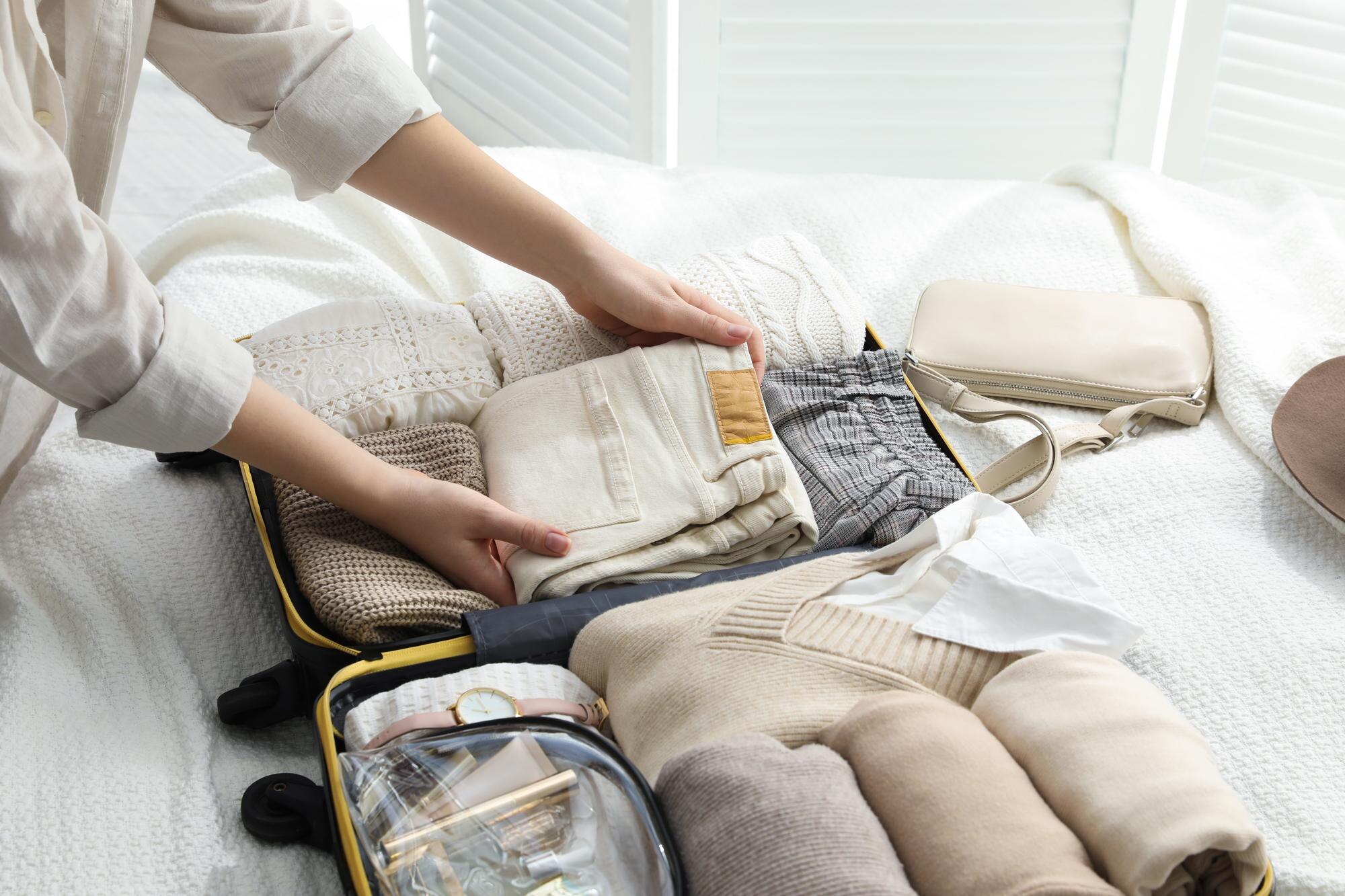
Selecting the right bag is crucial for a smooth travel experience. It can mean the difference between a stress-free adventure and a cumbersome, exhausting journey. Let’s dive into how you can make this decision effortless.
Match Your Bag to Itinerary
Your itinerary holds the key to selecting the right bag. Consider the length of your trip, activities planned, and the climate. A weekend city break requires a different approach than a weeklong beach getaway. Think of your activities: will you need hiking boots or evening attire? Matching your bag to your itinerary ensures you only pack what you need, avoiding unnecessary baggage fees.
Planning to explore multiple destinations? A versatile backpack can be your best friend. Its flexibility allows you to adapt as your travel plans change. Learn from seasoned travelers who swear by the one-bag travel approach, often using backpacks or duffel bags that suit both urban and rural settings.
Bag Size Guide Essentials
Understanding the essentials of bag sizes can prevent overpacking. For a short trip, a carry-on is usually sufficient. Airlines often have size limits for carry-ons, so knowing these can save you from unexpected fees. For longer trips, a medium-sized suitcase or backpack might be necessary, but be mindful of weight limits.
Consider the volume of your bag in liters: a 20-30 liter bag is great for short trips, while a 40-50 liter bag might be suitable for longer adventures. Keep it simple by making a checklist of your must-have items, and match them against your bag’s capacity to avoid overpacking.
Luggage Liters Capacity Explained
Deciphering luggage capacity in liters can simplify your packing strategy. A smaller bag, around 20 liters, is ideal for a weekend escape. If you’re traveling for a week, consider a bag between 30-50 liters. This capacity allows room for essentials plus a few extras without overloading.
Travelers often find that packing cubes help maximize the space in your bag, keeping everything organized and accessible. By using these, you can fit more in less space, ensuring your bag remains manageable. Check out this guide to making packing easier for more insights.
Essential Packing Tips
Packing efficiently is an art that can be mastered with a few clever strategies. In this section, we’ll explore key tips to ensure you travel lighter without leaving behind essentials.
Capsule Wardrobe Travel
Creating a capsule wardrobe is a game-changer for travelers. By selecting versatile pieces that mix and match, you can create multiple outfits with fewer items. Think neutral colors and layers that adapt to different weather scenarios.
A capsule wardrobe not only saves space but also reduces decision fatigue. When every piece matches, getting dressed becomes a breeze. You’ll find yourself less stressed and more focused on your adventures instead of your attire.
Compression Packing Tips
Compression packing can dramatically reduce the space your clothes take up in your bag. Using compression bags or cubes allows you to fit more into your suitcase without increasing the weight significantly.
These tools are especially useful for bulky items like jackets or sweaters. By compressing them, you free up space for other essentials like toiletries or shoes. Compression packing is a must-try for anyone looking to travel with carry-on luggage only.
Sustainable Travel Gear Must-Haves
Sustainability is increasingly important to travelers. Choosing eco-friendly gear not only supports the environment but also enhances your travel experience. Opt for reusable items like water bottles, and bring a tote bag for shopping.
Consider packing biodegradable toiletries or eco-friendly clothing brands. These choices reduce your carbon footprint and align with the growing trend of responsible travel. As more travelers prioritize sustainability, the demand for such products increases, making them more accessible.
Packing Strategies for Travelers

With the right strategies, packing becomes less daunting and more streamlined. Here we share insights and techniques that cater to different travel styles, ensuring a hassle-free journey.
One Bag Travel Techniques
Traveling with one bag is liberating. It forces you to prioritize and avoid unnecessary items. Choose a bag with multiple compartments to keep things organized and easily accessible.
Focus on packing versatile clothing and essential gadgets. This approach is ideal for those who value simplicity and efficiency. It also means less time waiting at baggage claim and more time enjoying your destination. Join communities like this one to learn from other one-bag travelers.
Weekend Packing List Hacks
Packing for a weekend trip shouldn’t be overwhelming. Start by listing essentials: two outfits, one pair of shoes, and toiletries. Use packing cubes to separate items and maximize space.
Remember to check the weather forecast to pack appropriately. A light jacket can be a lifesaver if the temperature drops unexpectedly. Keep your list simple and stick to it, ensuring you only bring what you need.
Digital Nomad Packing Solutions
Digital nomads require packing solutions that cater to both work and leisure. Opt for a lightweight laptop and portable office supplies to maintain productivity on the go. A backpack with a laptop compartment is often the best choice.
Invest in versatile clothing that suits both professional and casual settings. This balance is crucial for maintaining efficiency without sacrificing style. Digital nomads thrive on adaptability, and having a packing strategy that supports this lifestyle is key.
By adopting these strategies and understanding the nuances of packing, you can make your travel experience more enjoyable and stress-free. Remember, the goal is to travel with purpose, ensuring each item you pack adds value to your journey.
Recent Comments