

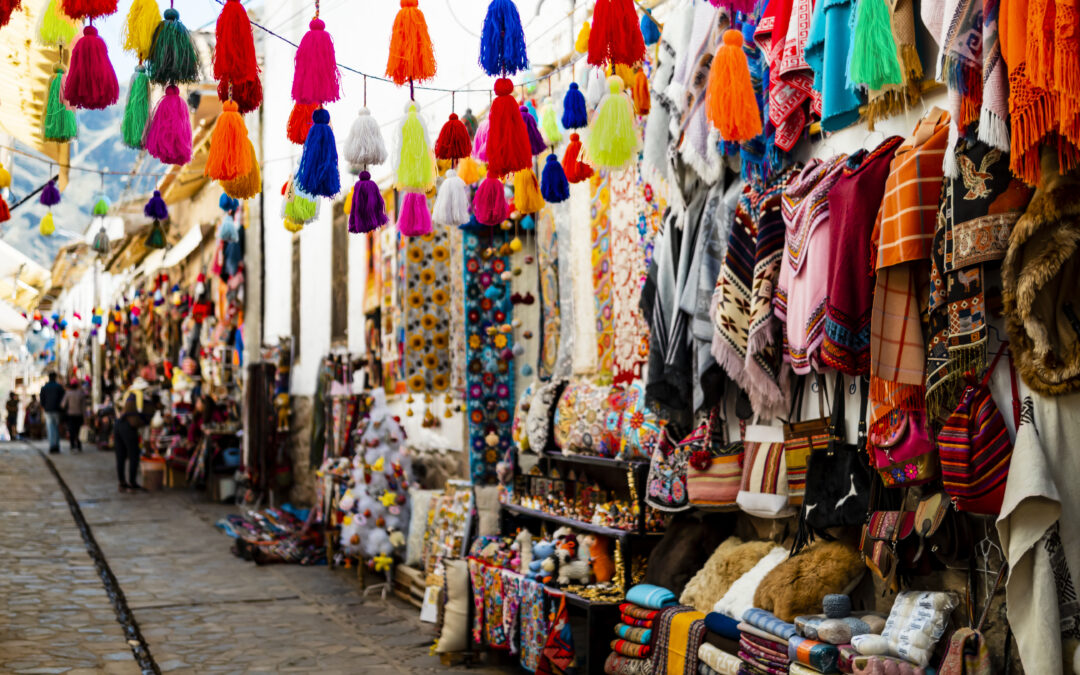
Gear That Bridges Cultures: Pack Respectfully, Travel Deeply
Packing for your next trip isn’t just about fitting everything in your bag—it’s a chance to honor the places you visit. Choosing cultural immersion travel gear that respects local customs can open doors to deeper connections and meaningful moments. In this post, you’ll find smart tips and thoughtful gear picks that help you pack respectfully and travel with purpose. Learn more about respecting local cultures here.
Respectful Travel Clothing
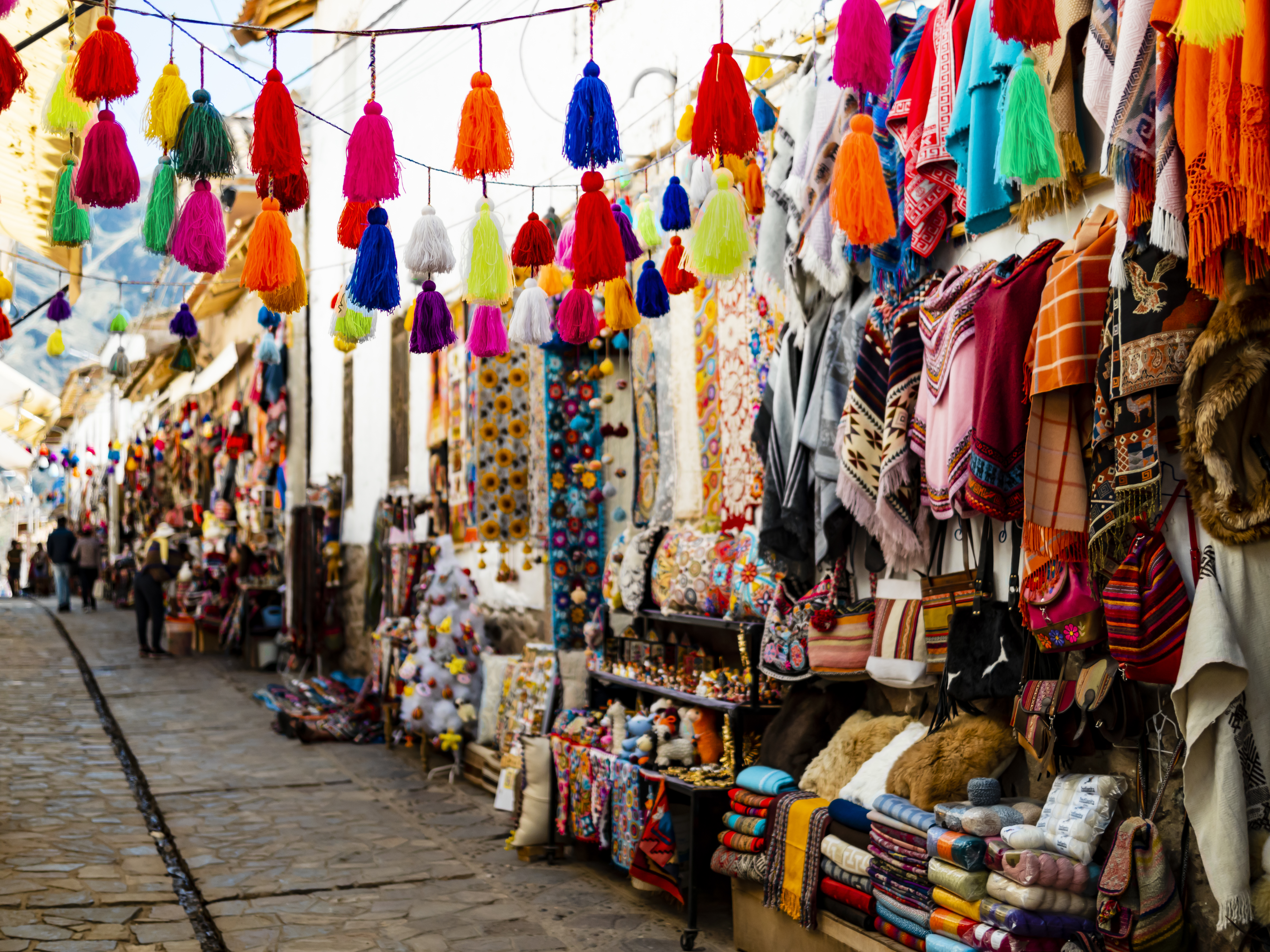
Choosing what you wear can make a big difference in how you connect with locals. Dress in a way that shows respect while reflecting personal style.
Modest Dress Travel Tips
When you travel, dressing modestly can show locals you respect their culture. It’s not just about blending in; it’s about being considerate. Start with loose-fitting tops and bottoms. These can be comfortable while keeping you covered. Light fabrics work well in warm climates. They keep you cool and covered. Don’t forget a versatile scarf. It’s handy for covering your shoulders or head when needed.
Next, think about local customs. In some places, showing too much skin might be frowned upon. Do a quick search before you pack. It’ll help you know what’s appropriate. You might be surprised by what’s considered modest. Check out this culture and customs guide for more insights.
Temple Visit Attire Choices
Visiting temples can be a highlight of any trip. But it’s important to dress appropriately. Temples often require you to cover your knees and shoulders. A long skirt or pants are great options. Pair them with a shirt that has sleeves. This way, you’re prepared for any dress codes.
Shoes matter, too. Many temples ask visitors to remove shoes before entering. Slip-on shoes are a practical choice. They make it easy to follow these rules. Remember, dressing respectfully in these sacred spaces shows your appreciation for their culture. It’s a simple way to make a positive impression.
Sustainable Travel Accessories
Beyond clothing, the accessories you pack can aid in cultural immersion. They can also show your commitment to eco-friendly travel.
Reusable Utensils and Water Filter
Travel with reusable utensils and a water filter. They’re small steps that make a big impact. You’ll reduce waste by skipping disposable items. A travel-sized water filter lets you drink safely from taps. It’s a great way to avoid plastic bottles.
Consider this: over one billion plastic utensils are used every year. By packing your own, you’re part of the solution, not the problem. Plus, locals will appreciate your effort to reduce waste. It’s a simple action that speaks volumes about your values.
Slip-On Shoes for Cultural Sites
Slip-on shoes are more than a convenience. They’re a respectful choice when visiting cultural sites. Many places require you to remove your shoes. With slip-ons, you can easily comply with these customs.
Think of it as part of your travel etiquette. It shows you respect local practices. Most people overlook this, but it’s a small detail that makes a difference. Plus, slip-on shoes are comfortable for all-day wear. They’re a win-win for you and the places you visit.
Fair Trade Travel Gifts
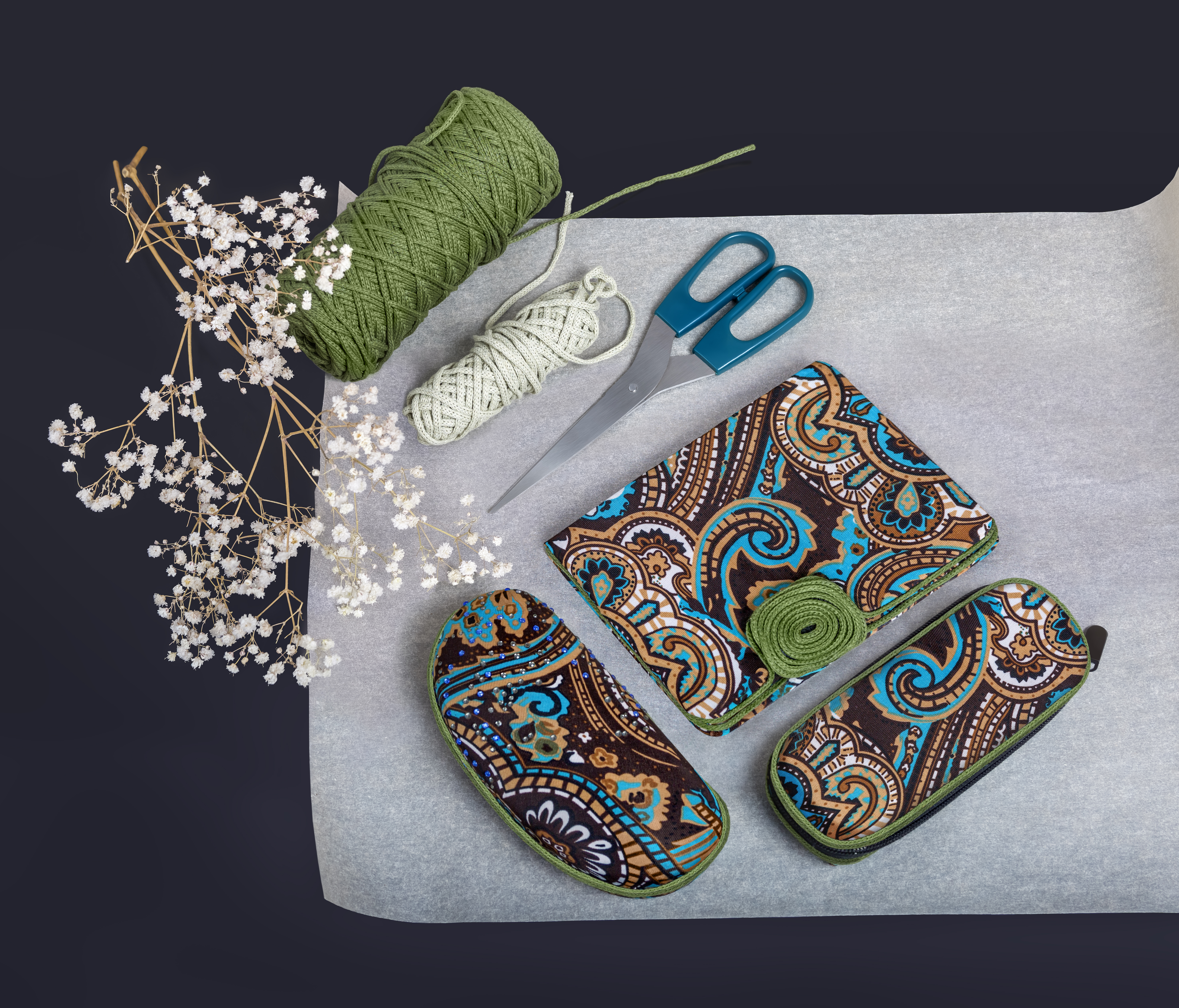
When choosing gifts, consider their impact. Opt for fair trade items that support local artisans. It’s a meaningful way to give back to the communities you visit.
Support Local Artisans
Buying directly from artisans supports their craft. It helps sustain traditional skills and provides fair wages. Look for markets or shops that promote local artists. You’ll find unique items with stories behind them.
Here’s a key insight: your purchase can make a difference. It supports families and preserves cultural heritage. Most people think buying local is expensive, but often, these items are priced fairly. You’re paying for quality and craftsmanship. Learn how to travel like a local here.
Ethical Souvenir Ideas 🎁
Ethical souvenirs are more than just keepsakes. They’re a way to remember your trip and support responsible tourism. Consider items like handmade textiles, pottery, or jewelry. These often reflect the culture and traditions of the place.
Remember, ethical buying means asking where and how items are made. Seek out fair trade certifications or local recommendations. It’s about making informed choices that respect the community. Next time you shop for souvenirs, think about the story behind each item. It’s a chance to bring a piece of your travels home while supporting those who made it.

Recent Comments