

Pack Light, Tread Light: The Environmental Impact of Your Travel Gear and How to Choose Wisely
Most travel gear hides a secret: it leaves a bigger mark on the planet than you might think. When you choose sustainable travel gear, you shrink your carbon footprint without giving up comfort or style. Let’s break down what really matters—from eco-friendly luggage to repairable travel gear—and help you pack smarter with our easy, low-impact packing tips. Ready to lighten your load and your footprint? Check out this guide to get started.
Understanding Travel Gear Impact
Your travel kit tells a story—one you might not expect. Let’s uncover how each item affects our planet.
Lifecycle of Travel Gear
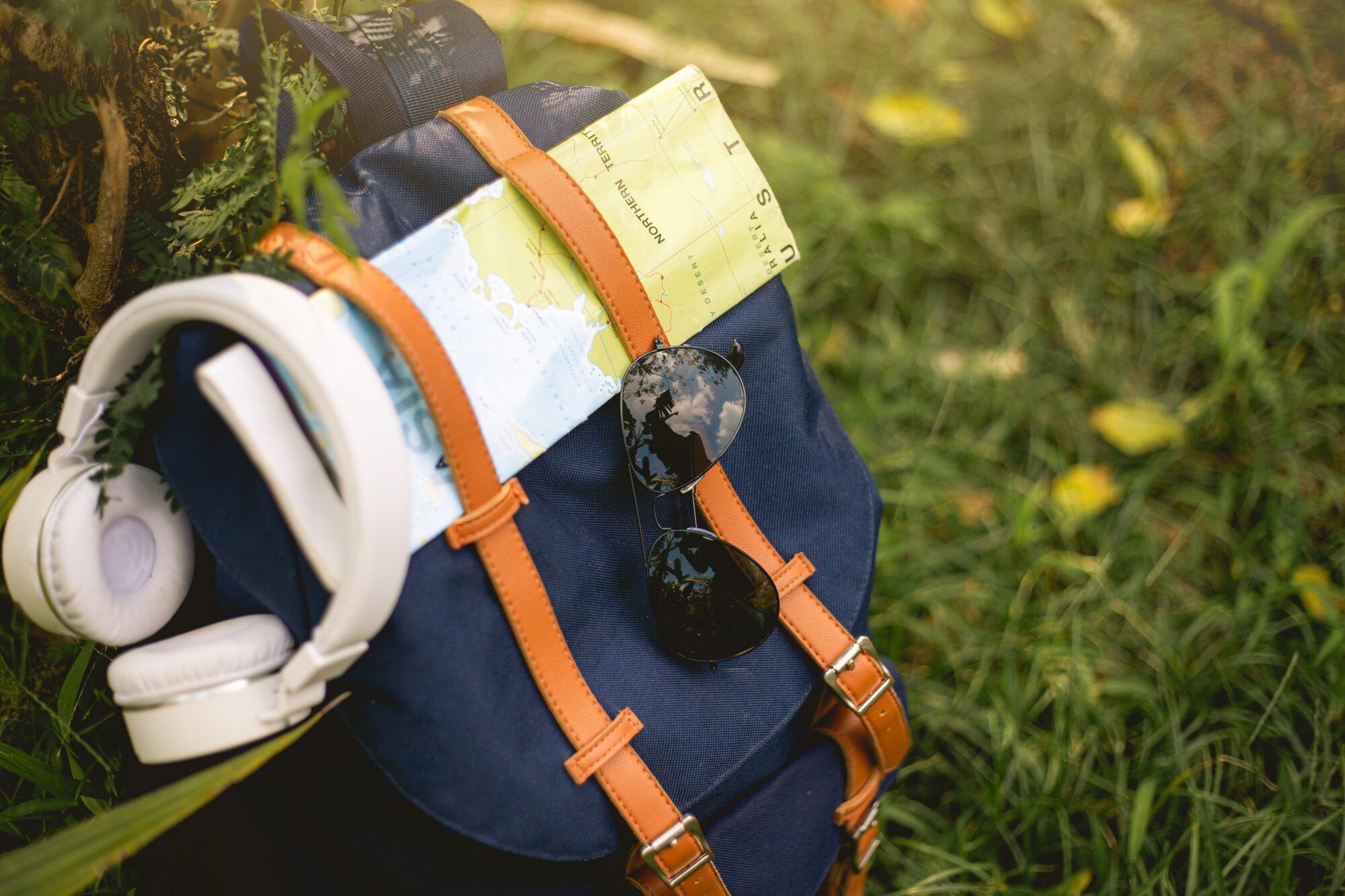
Every piece of gear goes through a journey from creation to disposal. Think about the backpack on your shoulder. It starts with raw materials, travels through factories, and ends up with you. This process consumes energy and resources. If you want to explore more about sustainable travel, check out National Geographic’s guide.
Once your trip ends, what happens to your gear? Many items end up in landfills, which is a growing problem. But here’s the key insight: choosing durable and recyclable items can change this story.
Materials and Manufacturing Footprint
The materials used in your gear can have a hefty environmental footprint. Synthetic fabrics rely on fossil fuels, while natural fibers like cotton require water-intensive cultivation. Imagine the difference if you choose gear made from recycled materials. It’s a choice that cuts down on waste and pollution.
Manufacturing is another step where impact is significant. Factories can pollute air and water if not managed responsibly. Ensure your gear comes from companies with transparent practices. For more eco-friendly travel swaps, see Condé Nast Traveler’s suggestions.
Durability and End-of-Life Options
Durable gear lasts longer and saves resources. It’s like investing in a solid pair of hiking boots that survive miles of adventure. Opt for products with repair options or lifetime warranties. When gear eventually wears out, look for brands offering recycling programs. This ensures less ends up in the trash. For more on sustainable travel tips, check out Yale’s travel guidance.
Making Sustainable Gear Choices
Now that we know the impact, let’s explore how to choose gear that aligns with your eco-values.
Key Criteria for Eco-Friendly Luggage
When shopping for luggage, there are a few key factors to consider. First, look for luggage made from recycled or renewable materials. This reduces reliance on new resources. Next, prioritize products with low chemical footprints, such as those that use PFC-free waterproofing. Lastly, durability matters: well-made luggage can last a lifetime, sparing you replacements. If you’re curious about eco-friendly travel practices, learn more from Earth.org’s insights.
Benefits of Recycled Materials Backpacks
Backpacks crafted from recycled materials are more than a trend—they’re a practical choice. They often feature materials like recycled polyester, which can save up to 70% of energy compared to virgin polyester. These packs are robust, functional, and help cut down on plastic waste.
Imagine a backpack made from repurposed bottles. It’s a conversation starter and a step towards reducing landfill waste. Plus, recycled packs often support brands committed to sustainable practices, making them a smart choice for conscious travelers.
Ethical Manufacturing Travel Brands
Choosing gear from ethical brands means supporting fair labor and responsible practices. Brands with certifications like Fair Trade or B Corp are a good start. They ensure workers are paid fairly and work in safe conditions.
These brands also focus on minimizing their environmental footprint. By supporting them, you contribute to a more equitable industry. Not sure where to start? Look for labels that clearly outline their ethical commitments.
Practical Eco-Packing Tips

Packing light and right can make your travels more enjoyable and sustainable.
Capsule Wardrobe Travel Essentials
A capsule wardrobe is key for efficient packing. It’s about selecting versatile pieces that mix and match. Imagine traveling with just 10 pieces of clothing that create multiple outfits. This reduces luggage weight and the energy required for transport.
Start with basics: a couple of tops, bottoms, and a jacket. Choose neutral colors for easy pairing. The goal is to feel stylish without overpacking.
Refillable Travel Containers and Biodegradable Toiletries
Ditch single-use plastics for refillable containers. They’re perfect for shampoo, conditioner, and other toiletries. Opt for biodegradable options to ensure your products don’t harm ecosystems when washed away.
These choices are cost-effective and friendly to our planet. Plus, they’re a breeze to travel with, especially when flying.
Repairable and Lifetime Warranty Travel Gear
Investing in gear with repair options saves money and resources. Brands offering lifetime warranties often provide repair services, ensuring you don’t need to replace items frequently.
For example, think of a sturdy jacket with a repair service. Instead of tossing it when a zipper breaks, you get it fixed. This extends its life and minimizes waste.
In the end, every choice you make impacts our planet. By choosing wisely, you pave the way for more sustainable travel adventures. Let’s embrace the journey with purpose and care for the world we explore.

Recent Comments